1 Cardigan Road, Parkwood Johannesburg , South Africa 2193
011 788 4784
065 801 4919

1 Cardigan Road, Parkwood Johannesburg , South Africa 2193
011 788 4784
065 801 4919

Physical address: 73 Dowling Avenue, Westbury, Johannesburg
Contact: 079 677 2673

Physical Address: Prosperous Building, 2nd Floor, Room 215, Wynberg, Johannesburg
Contact: 068 061 1162 | 067 167 7869

Physical Address: Lenasia South Clinic, Cnr. Wimbledon & Wellington Street, Lenasia, Johannesburg
Contact: 061 497 7672
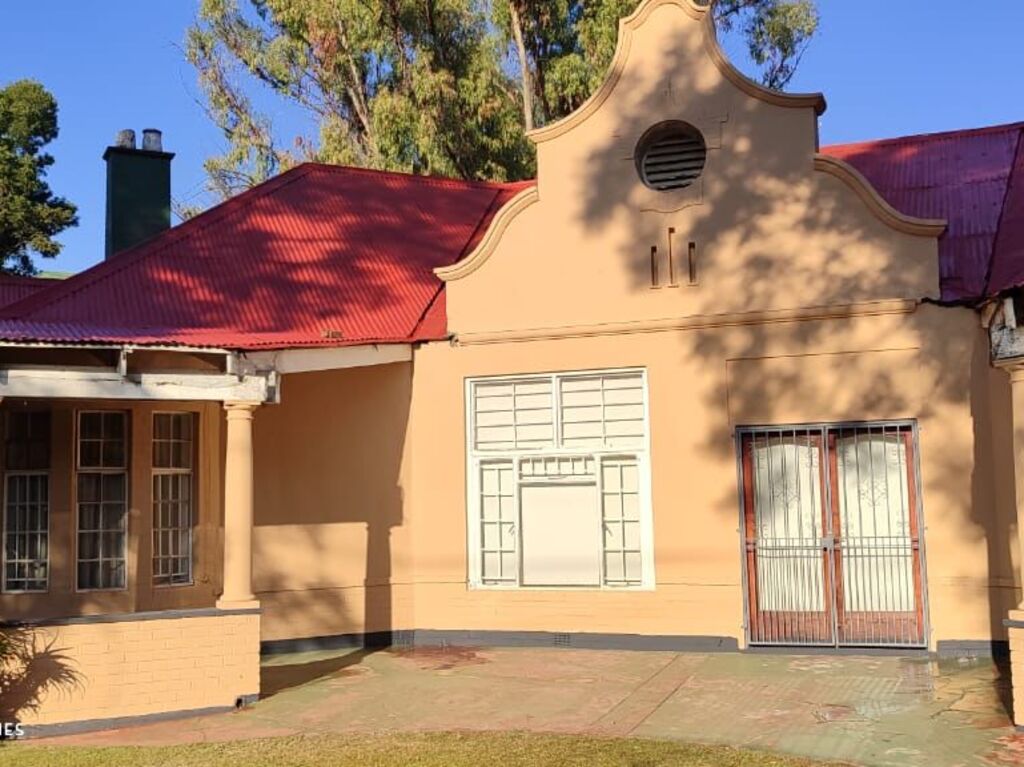
Physical Address: Lenasia South Clinic, Cnr. Wimbledon & Wellington Street, Lenasia, Johannesburg
Contact: 061 497 7672
Physical Address: 1131 Ingonyama Street, Diepsloot, Ext 2
Contact: 068 060 5463
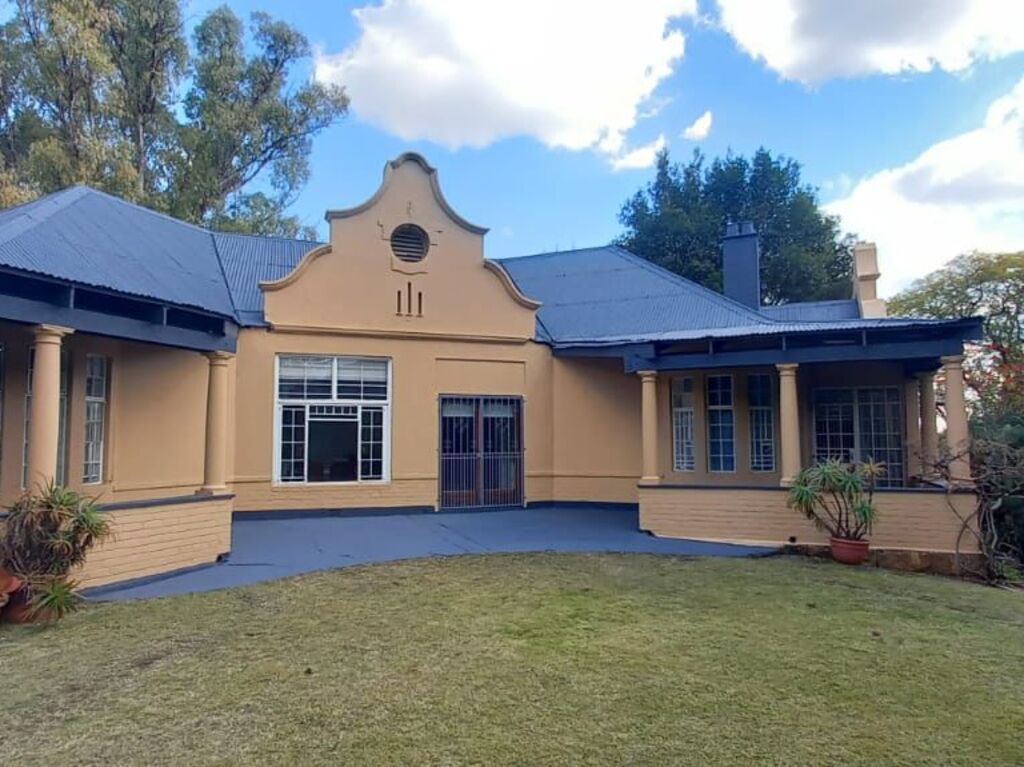
Physical Address: Meadowlands Police Station, Corner Hencock and Odendal Street, Zone 2, Soweto
Contact: 061 494 5992

The Family Life Centre is committed to fighting the HIV/AIDS pandemic. It offers support groups for HIV positive people, individual counseling, training of educators and lay counselors, and it conducts ongoing drives in the community. We also provide support for the affected families and friends and work with WITS Research Centre to address the needs of Sex Workers.
Employee Wellness Programme
The organisation has long-standing, trusted relationships with many companies that choose us to take care of their employees' and their families’ needs throughout the year.
Purpose of the programme
•Providing preventative and therapeutic services
• Developing and delivering empowerment programmes
• Provide Mediation Services to affected parties.
• Facilitate a healthy work environment.
The employee support services, which were established in 1988, are a division of the Family Life Centre- FAMSA JHB.
Employee Support Services may be defined as “MANPOWER MANAGEMENT SYSTEMS” designed to assist employees with personal problems affecting or with the potential to affect job performance.
Many organizations/companies assume that they do not have troubled employees, but according to studies worldwide, 20% of the population suffers from some type of emotional disability. In South Africa, 50% of the road accidents are alcohol or drug-related and absenteeism can cost companies up to 25% of their salary bill.
The Employee Support Service is based on the understanding that:
• A healthy society is dependent upon healthy family life.
•A healthy family life requires healthy relations within a family, the social milieu and the work environment.
•Difficulties experienced within the family impact on the workplace.
•Difficulties experienced in the workplace impact on the family unit.
•Individuals have the right to services that are confidential, accessible, and provided by skilled professionals.
Family Life Centre’s Employee Support Services Provide:
•A professional, quality service based on more than 70 years of experience.
• A wide range of services.
•Multi-lingual, multi-cultural, professional staff.
•Access to services on a national level – 27 organizations throughout South Africa.
• An organization with credibility both in the community and in business.
The emotional health of any business is like the emotional health of any family. The people that live and work in it often have different levels of emotional health.
Indicators of Emotional Temperatures
When people are in relationship crises, emotions take over and they regress to primitive coping mechanisms like fighting, fleeing or freezing. This is displayed in terms of:
• Absenteeism
• Stress
• Burnout
• Breakdowns
Behavioural Indicators Of Emotional Health
The emotional health of a company can be tested by the behaviour of its individual employees. In a company suffering from traumatic stress, the following list of behavioural symptoms can be observed:
• Absenteeism
• Corruption and Petty Theft
• Drug/Alcohol Abuse
•Emotional Instability such as aggression, poor concentration, mistakes.
• Family Problems, e.g. Divorce
• High Turn Over Of Staff
• Hyper-Vigilance
• Negativity of Staff, e.g. sleeping in Meetings.
•Ongoing Physical Symptoms, e.g. headaches, stomach-aches, etc.
•Severe anger at the organization/company due to perceived lack of security and support.
•Social Withdrawal and Depression
• Violence
Counselling is offered to individuals, couples and families and may be provided through employee self-referral, informal referrals through Management or colleagues, or formal referrals through Management. Counselling also includes onsite trauma and grief debrief sessions for employees and management staff, change management workshops and employee/employer mediation and negotiations.
WORK-RELATED PROGRAMMES
• Preparing For Retrenchment
• Coping with and Surviving Retrenchment
• Change Management
• Conflict Management
• Mediating Work Relationships
• Managing Staff Restructuring
• Staff and Personal Development
• Business Development
• Financial Management
• Budgeting and Saving
• Staff Wellness
OBJECTIVE 1
Conflict Resolution - The aim is to create a process for two or more parties to reach a peaceful resolution to a dispute. The aim is not to avoid conflict but to help resolve conflict in a healthy, constructive manner.
• Anger Management
• Effective Communication Skills
• Mediation
• Aggression vs Assertiveness
•Building internal and external resources, and methods of stress management - Stress Management Model
Objective Outcomes
•For parties to recognise that a problem exists.
•Create a mutual agreement to address the issue and find a resolution.
•To come to understand the understand the perspective or concerns of the opposing individual or group.
•Identify/ Recognize changes in attitude, behaviour and approaches to work by both side that will lessen negative feelings
• Provide a safe environment for all parties to constructively express themselves.
•increased ability to resolve their difficulties and increased self-sufficiency.
OBJECTIVE 2
Team Building – The aim of Team Building would be to train, encourage, empower and motivate all team members to achieve more together. It is to help teams to clarify its tasks and functioning of each individual. To help individuals/teams to identify and develop strategies and to promote team responsibilities and develop a participatory role.
•Leadership skills
• Mentorship
•Creating and holding spaces for communication and bonding
•Creating Capacity for trust
•Developing personal and professional potential
•Reconnecting with self and others during Covid-19
Objective Outcomes
• Teams will be able to demonstrate and discuss development processes.
• Staff will remain active.
• Less burn-out.
•Demonstrate greater capacity to make more active decisions in their lives and improve their lifestyles.
•Self-functioning support teams
• Staff bonds will be strengthened.
OBJECTIVE 3
Workplace Counselling
•Individual Counselling: Includes Trauma, Grief, Couples, Family
•Staff Debriefing
•How to implement strategies for self-care as a basis for developing self confidence and self-esteem.
•Methods of building resilience including techniques for improving:
•Social and Interpersonal Wellbeing
•Stress Management
•Conflict Resolution
•Effective Communication
•Developing Assertiveness
• Managing Trauma
• Personal Growth and Development
• Women Empowerment
• Building Healthy Families
• Effective Parenting Skills
• Post-Trauma Support
• Marriage Preparation and Enrichment
• Divorce
• Emotional Intelligence
Objective Outcome
• Capacity Building
• Self-Awareness
• Values and Belief Systems
THE GOAL OF THE EDUCATION FOR LIVING PROGRAMME
The goal of the Education for Living Programme is to provide young people with the knowledge to make good choices in their own lives and the skills to create healthy relationships with themselves, their families, their friends, and the opposite sex.
Through interactive workshops including the use of training tools such as charts, role plays, group discussions and sometimes video footage, we aim to empower young people in the decisions they will have to make both in the present and in the future.
WHO SHOULD ATTEND?
There are a variety of courses available to young people, from Grades 1 to 12. These courses are taken to schools by a team of highly trained, skilled facilitators.
Up to Grade 8, boys and girls are separated into different groups. We prefer to run small groups to promote easy, informal discussions.
GRADE 1-4
We have developed a 'child safety workshop' that is applicable to Grades 1 to 4. This workshop uses puppets, a story, songs and movies and covers such subjects as feelings, stranger danger, private parts and who can touch them (no-one!), how to create circles of safety, passwords and bullying.
GRADE 5
The focus is on preparation for puberty. We discuss how to handle physical change, friendships, peer pressure and bullying. We stress the importance of self-esteem, having sound values, making good choices and developing life skills.
GRADE 6 &7
We discuss the emotional and physical changes through puberty and the differences between boys and girls. We explore the stages of adolescence, reproduction, menstruation, conception, pregnancy, healthy sexuality and STD including AIDS. Throughout the course we emphasize the importance of self-esteem, developing life skills and making healthy choices.
GRADE 8-10
High school students are encouraged to participate via a workshop environment and are involved in in planning the course content. This may include stress, depression, peer pressure, temptation, addiction to alcohol and drugs, eating disorders, healthy sexuality, building confidence, handling fears, conflict management. The importance of managing emotions (emotional intelligence) and developing healthy relationships is emphasized. The students are assisted in formulating their own value system and beliefs.
HOW ARE PARENTS INVOLVED?
We offer a parent meeting prior to running the course in order to highlight course material and answer any questions or concerns that parents may have.
We also offer workshops and talks for parents which cover parenting skills and relevant issues, e.g. adolescent discipline guidelines, improving communication with your teenager, how to recognize potential problem areas, how to handle particular problems such as bullying (we allow parents a forum to get together and devise a charter), how to become a more emotionally intelligent parent.
AN EXAMPLE OF COURSE CONTENT FOR
GRADE 6 AND 7
Self-Awareness - What's happening to me, who am I and what do I believe is important in my life?
Puberty- The physical and emotional changes that occur. Male/Female reproduction, menstruation, conception, contraception, masturbation, pornography, wet dreams, sexually transmitted diseases (especially AIDS).
Communication-How do I make myself understood? Do l give clear messages and how do I make responsible sexual choices.
Peer Relationships – Choosing friends and coping with peer pressure.
Family relationships – Methods of healthy communication and how to resolve conflict.
THE ROLE OF THE EDUCATOR
Family Life Centre educators are there to deliver a structured but interactive course, which is fun and thought provoking. To answer any questions that are asked. To empathize with the participants and to normalize the anxieties that young people have during their different phases.
Our educators are aware that different communities may have different beliefs about relationships and sexuality. They respect individual family values and encourage the students to feel free to participate
in a safe, non-judgmental environment. They are warm, committed people who believe that the work they do is both an honor and a privilege.
IN SUMMARY:
Through the Education for Living workshops, Family Life Centre educators are helping young people to reach their individual potential by giving them the knowledge to make good choices in their own lives and the skills to create healthy relationships with themselves, their families, their friends and the opposite sex.
We also offer parents the e opportunity to learn how to cope with changes and pressures of parenting an adolescent and discover better parenting skills.
The Education for Living Department at Family Life Centre is happy to adjust existing or create any new material for schools with specific requirements. These workshops may be presented at the school or at an agreed-upon venue and at a time to suit participants.
Examples include:
• Workshops or once-off talks for pupils of all ages from Grade 5 to Post-Matric to address any specific need or behavior requiring attention. Bullying is a common area of concern. Other possible topics may include peer pressure, child sexual abuse, physical abuse, physical or psychological addictions.
• Parent workshops or talks to cover parenting skills and issues, e.g., adolescent discipline guidelines, improving communication with your teenager, how to recognize and handle potential problem areas, and how to become a more emotionally intelligent parent.
• Peer counselling (training students on how to counsel their peers).
• Step-family issues.
• Divorce management for both pupils and parents.
• Pressure and stress management skills for teachers and pupils.
• Trauma and grief management.
Divorce and Family Mediation Services
What is Divorce Mediation
Our Divorce and Family Mediation Department was established in 1984 and has since operated successfully, assisting many families to amicably settle their divorce and family disputes. Divorce Mediation is an alternate process to litigation in preparing couples/partners for separation and/or divorce.
Divorcing couples have to make decisions on matters regarding:
• CUSTODY
• ACCESS
• MAINTENANCE
• DIVISION OF ASSETS
Mediation is essentially a negotiation between the couple facilitated by a neutral third party (A Qualified Mediator)
At Family Life Centre, we work in co-mediation teams. This means that there are two mediators involved in the mediation process. One of the mediators will be legally trained, and the other a Social Worker, Counselor, or Psychologist.
The role of the Mediator is to encourage discussion and greater understanding, and to provide the couple with information on legal and parenting issues to enable them to make informed decisions.
These decisions help people in conflict to negotiate more effectively in order that the couple mutually reach decisions. These decisions are recorded in a Memorandum of Understanding. The Memorandum is not legally binding until it is converted into an Agreement of Settlement by an Attorney or through the Family Court. It is always preferable for the Memorandum to be taken to a lawyer to ensure that the parties legal rights have been protected.
What Are The Advantages Of Mediation
• The couple formulates the agreement themselves and is therefore more committed to it.
• An amicable and co-operative climate is created rather than a conflictual one, and this benefits all family members.
• The couple saves time and money because they negotiate directly with one another rather than using attorneys to represent them on all issues.
• When parents are able to set aside their differences, they are able to focus on the best interests of their children.
• A Memorandum of Understanding is reached in as many as 80% of Mediated cases.
The Education for Living Department at Family Life Centre is happy to adjust existing or create any new material for schools with specific requirements. These workshops may be presented at the school or at an agreed-upon venue and at a time to suit participants.
Examples include:
• Workshops or once-off talks for pupils of all ages from Grade 5 to Post-Matric to address any specific need or behavior requiring attention. Bullying is a common area of concern. Other possible topics may include peer pressure, child sexual abuse, physical abuse, physical or psychological addictions.
• Parent workshops or talks to cover parenting skills and issues, e.g., adolescent discipline guidelines, improving communication with your teenager, how to recognize and handle potential problem areas, and how to become a more emotionally intelligent parent.
• Peer counselling (training students on how to counsel their peers).
• Step-family issues.
• Divorce management for both pupils and parents.
• Pressure and stress management skills for teachers and pupils.
• Trauma and grief management.
Divorce and Family Mediation Services
What is Divorce Mediation
Our Divorce and Family Mediation Department was established in 1984 and has since operated successfully, assisting many families to amicably settle their divorce and family disputes. Divorce Mediation is an alternate process to litigation in preparing couples/partners for separation and/or divorce.
Divorcing couples have to make decisions on matters regarding:
• CUSTODY
• ACCESS
• MAINTENANCE
• DIVISION OF ASSETS
Mediation is essentially a negotiation between the couple facilitated by a neutral third party (A Qualified Mediator)
At Family Life Centre, we work in co-mediation teams. This means that there are two mediators involved in the mediation process. One of the mediators will be legally trained, and the other a Social Worker, Counselor, or Psychologist.
The role of the Mediator is to encourage discussion and greater understanding, and to provide the couple with information on legal and parenting issues to enable them to make informed decisions.
These decisions help people in conflict to negotiate more effectively in order that the couple mutually reach decisions. These decisions are recorded in a Memorandum of Understanding. The Memorandum is not legally binding until it is converted into an Agreement of Settlement by an Attorney or through the Family Court. It is always preferable for the Memorandum to be taken to a lawyer to ensure that the parties legal rights have been protected.
What Are The Advantages Of Mediation
• The couple formulates the agreement themselves and is therefore more committed to it.
• An amicable and co-operative climate is created rather than a conflictual one, and this benefits all family members.
• The couple saves time and money because they negotiate directly with one another rather than using attorneys to represent them on all issues.
• When parents are able to set aside their differences, they are able to focus on the best interests of their children.
• A Memorandum of Understanding is reached in as many as 80% of Mediated cases.
The Mediator has completed a Mediation training course accredited by The South African Association of Mediators (S.A.A.M). The Mediator provides specialized information on the emotional impact of divorce on the couple and their children and assists in working out the fairest financial settlement.
Is Mediation Confidential?
The Mediator is bound by professional ethics to provide an impartial, confidential service. Mediators treat all discussions as strictly confidential except where they believe someone’s life or welfare may be in danger. If this becomes apparent, mediators will discuss any necessary action to be taken with the couple.
Neither party may use information discussed or disclosed in mediation during court proceedings unless this intent has been recorded in the Memorandum of Understanding, which has been converted into an Agreement of Settlement.
The Legal System
Mediation helps the couple to prepare for the legal process by facilitating their mutual co-operation in detailing their needs and those of their children. Attorneys and legal clinics can provide advice about legal rights, obligations, and entitlements before, during, and after the mediation process. This ensures that the couple has enough information to make informed decisions.
Once the couple has completed the process and the Memorandum of Understanding has been drafted, it is then necessary for them to go through judicial procedures. The couple can approach an attorney, The family Court, or the High Court to obtain their divorce.
What Mediation Entail?
• The couple attends sessions together.
• Each session is 1 hour/30 minutes.
• The Mediation process can take from two (2) to six(6) sessions.
• The number of sessions varies from couple to couple and depends on the number of issues and their level of complexity.
Who Should Attend?
• Couples who have made the decision to divorce.
• Couples who are divorced but need to re-negotiate issues.
• Couples who have lived together and/or have children together.
• Family members who are in conflict, e.g. A parent and a child in a traditional family or a stepfamily contact.
“Children Are For Keeps” is a parenting plan that provides a broad framework in which decisions can be made about children’s names, living arrangements, education, religion, family relationships, financial support, health care, and emotional well-being.
“Children Are For Keeps” is about helping parents resolve conflict through communication, consultation and sharing of information. After discussing the parenting plan, the mediator records all joint decisions reached by parents in the Memorandum of Understanding.
“Children Are For Keeps” is useful for all families with children. It is particularly beneficial for couples who are separating, divorcing, or for divorced couples who wish to specify the future care and development of their children.
Community Outreach Programmes
Services and programmes are taken into the community by staff and volunteers. They dedicate their themselves through the preventative and educational programmes, training, and support, to empower children, youth and adults to build healthy relationships.
Our primary objective in the communities is to equip youth and children through interactive processes with knowledge and skills focused on their emotional, social, and psychological development to enable them to manage themselves better and conducts ongoing information drives in the community.